
If you’ve ever walked down the supplement aisle, you’ve seen the same words repeated everywhere: probiotics, prebiotics, gut health, microbiome. It’s easy to feel like you’re missing something important—or like you need to buy a product to “fix” your digestion.
In reality, the basics are simpler than the marketing makes them seem. Probiotics and prebiotics are different, and most people benefit more from understanding food sources and daily habits than from guessing with expensive supplements.
This guide breaks down what probiotics and prebiotics actually do, how they work together, and the best food sources to support your gut in a calm, practical way.
What Probiotics Are (and What They Do)
Probiotics are live microorganisms—often bacteria—that may support health when consumed in adequate amounts. The idea is that certain beneficial strains can help support a balanced gut environment.
Important note: not all probiotics do the same thing. Different strains have different effects, and benefits can depend on the person, the dose, and the specific health concern. That’s one reason probiotics can feel confusing: “probiotic” isn’t one product—it’s a category.
Common probiotic foods include fermented options like yogurt, kefir, and certain fermented vegetables.
What Prebiotics Are (and What They Do)
Prebiotics are types of fiber and compounds that feed beneficial gut bacteria. They are not bacteria themselves. They’re the “fuel” that helps certain microbes grow and produce helpful byproducts.
If probiotics are “seeds,” prebiotics are “soil.” A lot of people focus on adding probiotics but forget the foundation: the daily fiber and plant foods that support a healthy gut environment.
Common prebiotic foods include onions, garlic, bananas (especially slightly green), oats, and legumes.
How Probiotics and Prebiotics Work Together
This is where the whole thing becomes practical. You don’t need to obsess over strain names or take five supplements.
A simple approach looks like this:
- Include probiotic foods regularly (a few times per week)
- Include prebiotic foods daily (fiber-rich plants most days)
- Increase fiber gradually if you’re prone to gas or bloating
The Best Food Sources of Probiotics
Here are common, accessible options. Not every product is identical, but these are strong categories to look for.
Probiotic-rich foods
- Yogurt with live and active cultures
- Kefir (a drinkable fermented dairy; lactose-free versions exist)
- Sauerkraut (refrigerated versions are more likely to contain live cultures than shelf-stable)
- Kimchi (fermented vegetables; can be spicy)
- Miso (often used in soups; avoid boiling it hard if you want to preserve live cultures)
- Tempeh (fermented soy protein)
Tip: If dairy bothers you, try lactose-free yogurt/kefir or non-dairy cultured products.
The Best Food Sources of Prebiotics
Prebiotic foods are often everyday staples. Many are also great for digestion and regularity.
Prebiotic-rich foods
- Oats
- Bananas (slightly green can be more prebiotic)
- Onions and garlic
- Asparagus
- Leeks
- Apples
- Beans and lentils
- Chickpeas
- Barley
If you’re sensitive to beans or certain vegetables, start with smaller portions and increase gradually.
Value Breakdown: What You Gain From Understanding This
- Clear difference between probiotics and prebiotics so you stop guessing
- Food-first options that support gut health without relying on supplements
- A simple routine: add a probiotic food a few times per week and prebiotic foods daily
- Better digestion support through gradual fiber increases
- More confidence choosing what actually fits your body and budget
Do You Need Supplements
Sometimes probiotics can be useful in specific situations, but supplements are not automatically better than food. Food provides a broader nutrition base: protein, vitamins, minerals, and fiber.
If you’re considering a supplement:
- choose one with clear strain information and storage instructions
- use it for a specific purpose, not as a random habit
- talk to a qualified professional if you have a medical condition or are immunocompromised
A Simple “Gut Support” Day You Can Copy
Here’s an example routine that includes both, without being extreme:
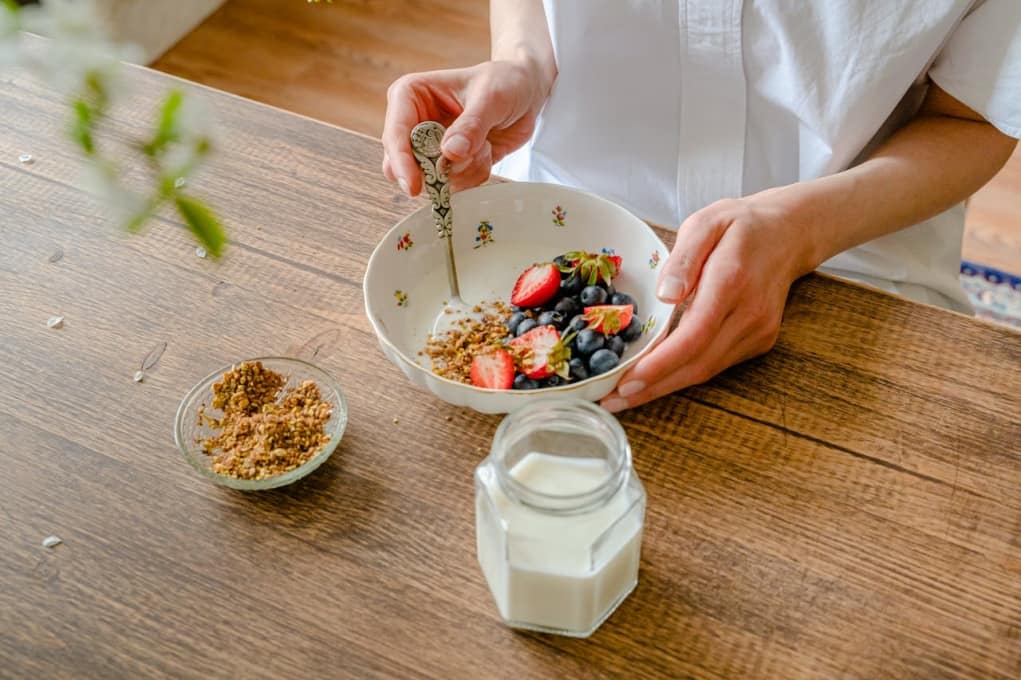
- Breakfast: oats + yogurt + berries
- Lunch: rice bowl with vegetables + beans (small portion if sensitive)
- Dinner: protein + cooked vegetables + garlic/onion base
- Optional: small serving of sauerkraut or kimchi with a meal
This is enough to support your gut without turning eating into a project.
A More Grounded Way to Think About Gut Health
Gut health isn’t about chasing the perfect supplement. It’s about building consistency with the basics: fiber-rich foods, hydration, regular movement, stress management, and sleep. Probiotics and prebiotics can play a meaningful role—but they work best as part of a steady, food-first routine.
If you want the simplest starting point: add one probiotic food you like and one prebiotic food you tolerate well, then repeat that daily for a week.
Sources
- National Institutes of Health (NIH) / National Center for Complementary and Integrative Health (NCCIH) — Probiotics overview: https://www.nccih.nih.gov/health/probiotics-what-you-need-to-know
- National Institutes of Health (NIH) / MedlinePlus — Probiotics information: https://medlineplus.gov/probiotics.html
- Harvard Health Publishing — Probiotics and digestive health basics: https://www.health.harvard.edu/
- International Scientific Association for Probiotics and Prebiotics (ISAPP) — Definitions and educational resources: https://isappscience.org/