
Protein usually gets talked about in the context of muscles, fat loss, and workouts. But protein also plays a quiet role in digestion and gut health. It supports the tissues that line your digestive tract, helps you feel satisfied between meals, and can make eating patterns more stable—which often means fewer cravings, fewer random snack cycles, and more predictable digestion.
At the same time, some people notice the opposite: when they increase protein, they feel heavier, constipated, or bloated. That doesn’t mean protein is “bad for your gut.” It usually means the type of protein, the portion size, hydration, and fiber balance need to be adjusted.
This guide breaks down how much protein you likely need, the easiest food sources, and how to eat protein in a way that supports digestion rather than disrupting it.
How Protein Supports Gut Health
Protein contributes to gut health in a few practical ways:
- Tissue support: your gut lining is made of cells that regularly repair and renew
- Satiety and meal structure: protein helps you feel full, which can reduce grazing and late-night overeating (both can affect digestion)
- Blood sugar stability: balanced meals with protein can reduce spikes and crashes that sometimes trigger cravings and discomfort
- Healthy eating consistency: people often eat more predictably when protein is present at meals
Protein isn’t the only gut health nutrient—fiber and hydration matter a lot—but it’s a key piece of a balanced routine.
How Much Protein Do You Need
There isn’t one perfect number for everyone, but there are reliable ranges.
Baseline for general health
A common baseline recommendation is:
- 0.8 grams of protein per kilogram of body weight per day
Higher range for active people or fat loss
If you’re active, strength training, or trying to lose fat while maintaining muscle, many people do well in a higher range such as:
- 1.2 to 1.6 grams per kilogram per day
Some people go higher, but you don’t need extremes to benefit.
Quick conversion
- pounds ÷ 2.2 = kilograms
Then multiply by your chosen range.
Example:
180 lb ÷ 2.2 = 82 kg
82 × 0.8 = ~66g/day baseline
82 × 1.2 to 1.6 = ~98–131g/day
Easy Protein Food Sources (And Why They’re Gut-Friendly)
Here are simple options that many people tolerate well:
Animal-based
- eggs
- Greek yogurt or lactose-free yogurt
- cottage cheese (or lactose-free)
- chicken and turkey
- fish (salmon, tuna, white fish)
Plant-based
- tofu and tempeh
- lentils and beans (start with smaller portions if they cause gas)
- edamame
- quinoa (also includes some protein)
Convenience options
- canned tuna/salmon
- rotisserie chicken
- protein powder (useful when appetite is low or mornings are rushed)
The “best” protein source is often the one you tolerate well and can eat consistently.
Value Breakdown: What This Approach Helps You Do
- Hit a realistic protein target without extremes or confusion
- Support steadier digestion through better meal structure and satiety
- Reduce constipation risk by balancing protein with fiber and hydration
- Choose protein sources that fit your body (dairy-free, plant-based, etc.)
- Build meals faster with simple, repeatable staples
When Protein Can Cause Constipation (and How to Fix It)
Some people increase protein and accidentally reduce the things that keep digestion moving.
Common reasons:
- you eat more protein but less fiber (less fruit, veggies, beans, oats)
- you drink less water
- you choose very low-carb, low-fiber meals
- you rely heavily on protein bars and processed snacks
Fix it with three adjustments:
- Add one gentle fiber food daily (oats, berries, cooked veggies)
- Drink water earlier in the day
- Walk 10 minutes after one meal
Simple Protein-Forward Meal Templates (Digestion-Friendly)
Breakfast
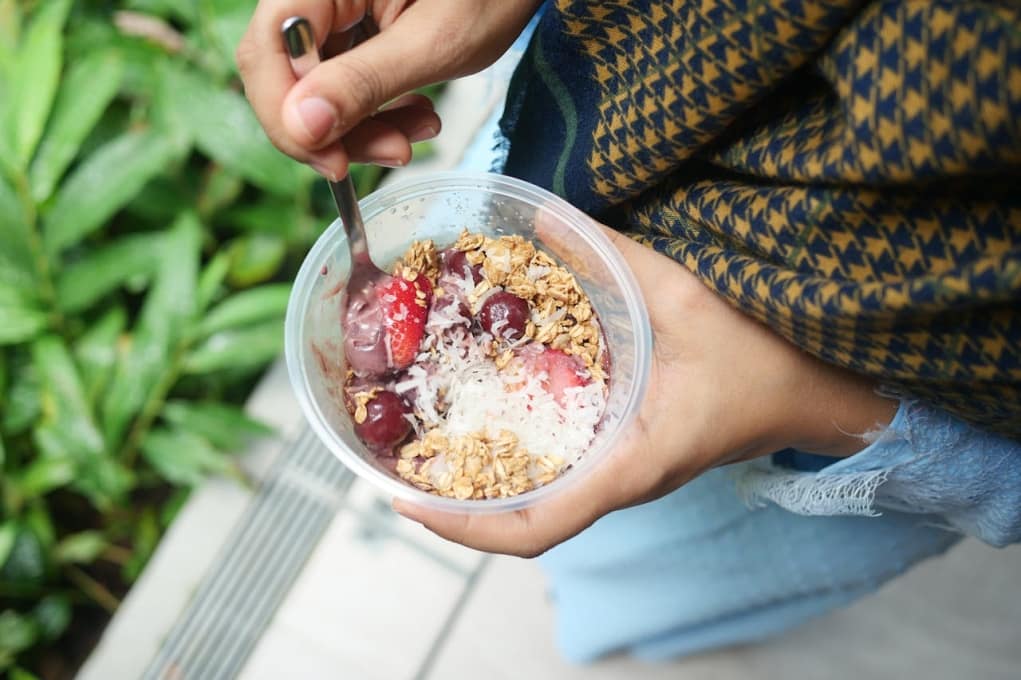
- Greek yogurt + berries + oats
- eggs + toast + fruit
Lunch
- chicken + rice + cooked vegetables
- tuna wrap + side vegetables
Dinner
- fish + potatoes + green beans
- tofu + rice + cooked vegetables
What If You Have a Sensitive Stomach
If your digestion is sensitive:
- increase protein gradually
- choose simpler proteins (eggs, fish, chicken) before heavier options
- if dairy bothers you, use lactose-free or plant-based options
- keep portions moderate and spread protein across meals instead of loading it all at dinner
Gut-friendly eating is often less about one magic food and more about steady patterns.
The Balanced Way to Use Protein for Better Digestion
Protein supports gut health best when it’s part of a balanced routine: enough water, enough fiber, regular movement, and consistent meals. You don’t need to obsess over grams. You just need a reliable baseline and a few easy food options you can repeat.
Start with one protein upgrade at breakfast or lunch, keep it consistent for a week, and notice how your digestion responds. Small changes are usually the ones that stick.
Sources
- National Academies of Sciences, Engineering, and Medicine — Dietary Reference Intakes (protein): https://www.nationalacademies.org/
- U.S. Department of Agriculture (USDA) — Dietary Guidelines and protein foods: https://www.dietaryguidelines.gov/
- International Society of Sports Nutrition (ISSN) — Protein intake guidance for active people: https://www.sportsnutritionsociety.org/
- Harvard Health Publishing — Protein basics and healthy eating guidance: https://www.health.harvard.edu/