

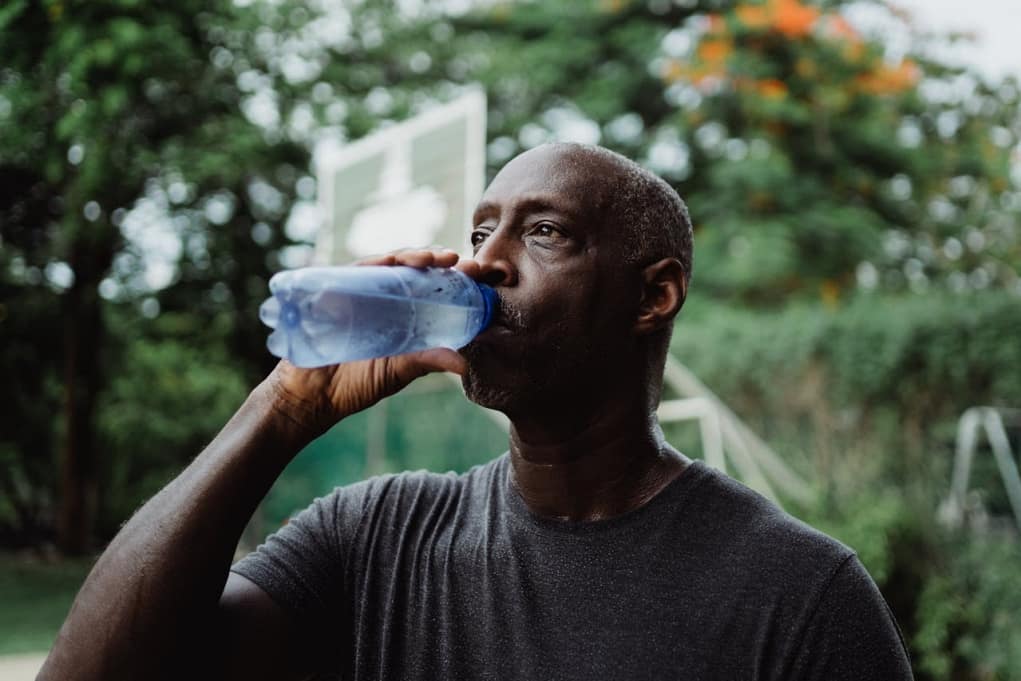
If you’re trying to improve digestion, hydration is one of the most overlooked pieces of the puzzle. People usually focus on food—fiber, probiotics, “gut-friendly” meals—while ignoring the simple fact that digestion depends on fluid. When hydration is low, stool can become harder, bloating can feel worse, and your body may struggle to move things through comfortably.
At the same time, hydration advice online can be confusing. Some people push extreme water goals. Others warn you about drinking too much. And electrolytes are marketed like something everyone needs all day.
The truth is calmer than that. Most people need a steady baseline of water, a few practical habits, and electrolytes only in specific situations.
This guide explains how hydration supports digestion, how much water you likely need, and when electrolytes actually make sense.
Why Hydration Matters for Digestion
Water supports digestion in several ways:
- It helps your body form and move stool through the colon
- It supports overall gut motility (how smoothly food moves through)
- It can reduce the chance of stool becoming dry and hard
- It supports the “fluid balance” your digestive system relies on
Hydration won’t fix every gut issue, but if you’re constipated or frequently bloated, it’s one of the first things worth tightening up.
How Much Water Do You Need
There isn’t a single perfect number, but there are credible starting points. The National Academies provide “adequate intake” values for total water from all sources (food and beverages). For many adults, general reference amounts are around:
- 3.7 liters/day for men (total water)
- 2.7 liters/day for women (total water)
Because some water comes from food, the amount you drink will often be less than that. And your needs change with heat, exercise, and body size.
A simple “digestion-friendly” baseline
If you want something practical:
- Start your day with a glass of water
- Drink with each meal
- Add more if you’re sweating, traveling, or increasing fiber
If you’re increasing fiber, hydration becomes even more important. Fiber works best when it has enough fluid to move smoothly through the digestive tract.
Signs You May Need More Fluids
Hydration isn’t only about thirst. Signs you may be under-hydrated include:
- darker urine most of the day
- dry mouth
- headaches that improve with water
- fatigue that feels “flat”
- constipation or hard stools
- feeling bloated after meals (sometimes related to slow motility)
These signs can have other causes, but hydration is a simple place to start.
When Electrolytes Help Digestion (and When They Don’t)
Electrolytes—especially sodium and potassium—help your body manage fluid balance and nerve/muscle function. For digestion, electrolytes can help mainly when you’re losing a meaningful amount of fluids or when hydration isn’t “sticking.”
Electrolytes can help when:
- you sweat heavily (hot weather, long workouts, outdoor work)
- you have frequent cramping, low energy, or “washed out” feeling after sweating
- you’re recovering from illness with fluid loss (vomiting or diarrhea)
- you drink a lot of water but still feel dehydrated (some people need more sodium, especially in heat)
Electrolytes are usually unnecessary when:
- you’re not sweating much
- you eat regular meals (food provides electrolytes)
- you’re using electrolytes as a daily habit without a clear reason
If you choose an electrolyte drink, avoid turning it into a sugary beverage habit. Many people do best with simple options and using them only when conditions call for it.
Value Breakdown: What This Hydration Approach Helps You Do
- Support regularity by keeping stool softer and easier to pass
- Reduce bloating related to slow digestion through steadier fluid intake
- Make fiber work better by pairing it with hydration
- Use electrolytes strategically instead of as a daily marketing habit
- Build a simple routine you can repeat without tracking every ounce
A Simple Hydration Routine for Better Digestion
Use this as a realistic daily template:
- Morning: 8–16 oz water
- Meals: drink water with breakfast, lunch, and dinner
- Midday: one extra glass if you tend to forget
- After sweating: water + electrolytes if you sweat heavily
- Evening: don’t “chug” late—spread fluids earlier to protect sleep
If constipation is the main issue, combine hydration with:
- gentle fiber increases
- daily walking
- consistent bathroom timing
Hydration works best as part of a system, not a standalone trick.
Common Hydration Mistakes That Make Digestion Worse
- Only drinking water at night (leads to disrupted sleep and doesn’t support daytime digestion)
- Increasing fiber without increasing fluids (can worsen bloating and constipation)
- Relying on coffee as fluid (it can count toward fluids, but it may not support digestion for everyone)
- Ignoring salt loss when sweating heavily (plain water alone may not feel sufficient)
A More Grounded Way to Think About Gut Hydration
You don’t need extreme water rules. You need steady intake, especially earlier in the day, and a system that supports digestion: hydration, fiber, movement, and consistency. Electrolytes can help in specific situations, but most of the time, your body does well with water and balanced meals.
If you want an easy starting point: drink water in the morning, with meals, and add a short walk after one meal each day. Small habits, repeated, usually produce the biggest digestive improvements.
Sources
- National Academies of Sciences, Engineering, and Medicine — Dietary Reference Intakes for Water (adequate intake guidance): https://www.nationalacademies.org/
- National Institutes of Health (NIH) / MedlinePlus — Dehydration overview: https://medlineplus.gov/dehydration.html
- National Institute of Diabetes and Digestive and Kidney Diseases (NIDDK) — Constipation and digestive health guidance: https://www.niddk.nih.gov/
- Centers for Disease Control and Prevention (CDC) — Heat and hydration guidance: https://www.cdc.gov/disasters/extremeheat/index.html