

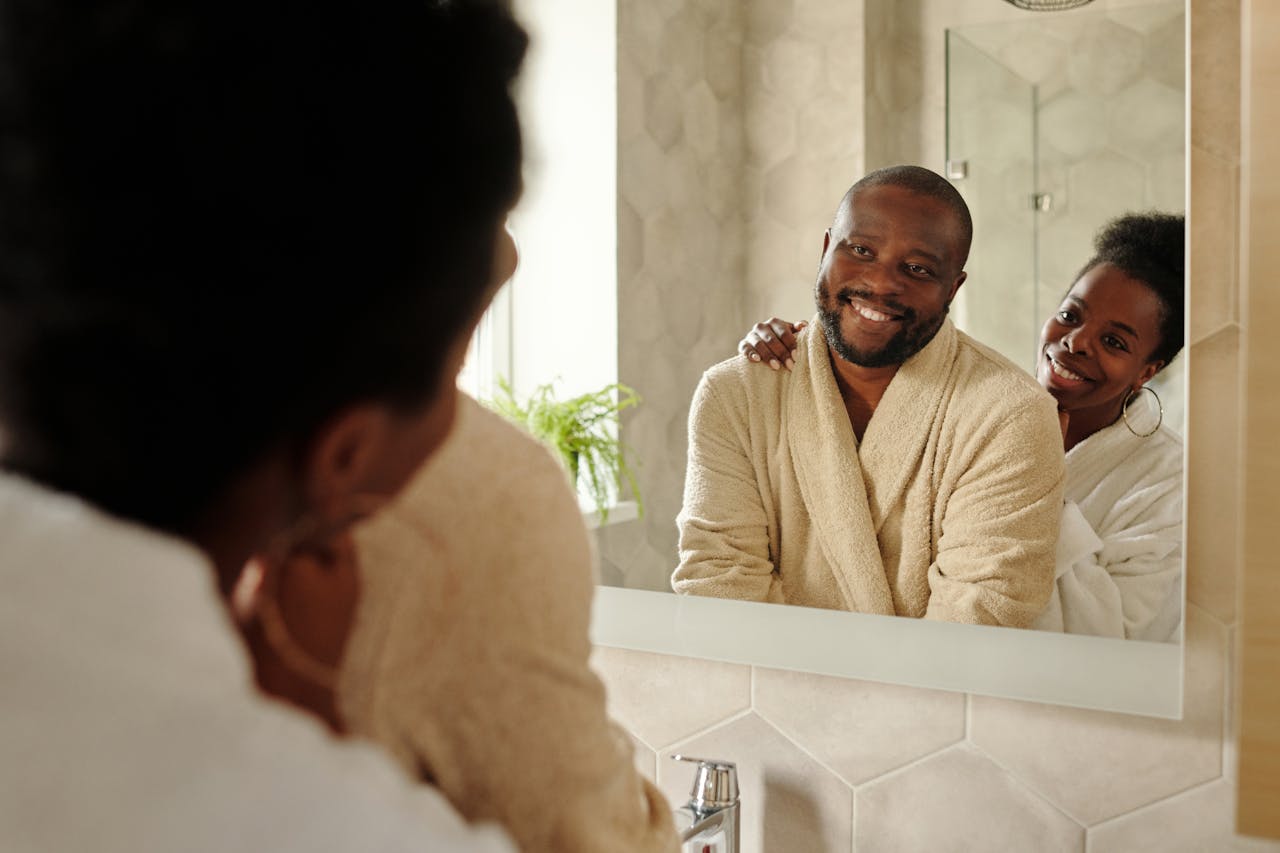
Discover how self-care rituals are transforming beauty routines into powerful tools for enhancing attractiveness from the inside out.
Story Snapshot
- Self-care rituals elevate daily beauty routines into mindful practices.
- These rituals improve mental well-being, self-perception, and attractiveness.
- Consumer behavior during the COVID-19 pandemic accelerated this trend.
- Rituals emphasize intentionality and sensory activation, linking self-care to attractiveness.
From Ancient Roots to Modern Validation
Self-care rituals in beauty have origins in ancient practices but gained modern validation through studies on mindfulness and anxiety reduction. Research in journals like BMC Psychiatry highlights self-care’s impact on anxiety, while studies in Biomedical Research show facial massages reducing negative mood. The rise of self-care during the pandemic saw consumers turning to beauty rituals for wellness, prioritizing these practices as essential components of their daily lives.
These rituals are more than just grooming; they involve intentional actions that activate the senses. Touch, scent, and the rhythm of routines create a psychological and physiological cycle that enhances both confidence and health behaviors. This approach redefines beauty from an external pursuit to an internal journey, where mental health improvements manifest as outward attractiveness.
The Pandemic’s Role in Ritual Adoption
The COVID-19 pandemic played a significant role in accelerating the adoption of self-care rituals. During lockdowns, people sought ways to cope with stress and anxiety, leading to an increased focus on personal wellness. Surveys indicate that 74% of Americans now integrate wellness into their beauty routines, driven by Gen Z and millennials who view these rituals as expressions of joy and connection. The pandemic’s impact on consumer behavior has made self-care a mainstream priority, shifting beauty towards holistic wellness.
The trend’s emergence ties to psychological studies from the 2010s onward. These studies emphasized the importance of mental health improvements like reduced stress and higher self-esteem in enhancing attractiveness. Unlike superficial beauty, self-care rituals emphasize intentionality, creating positive feedback loops that project confidence and health.
Stakeholders in the Self-Care Movement
The self-care movement involves various stakeholders, including researchers, beauty brands, and consumers. Researchers validate the benefits of self-care through studies on anxiety reduction and brain responses to beauty. Beauty brands like Ulta Beauty and Youthology Medical promote these rituals for sales, motivating consumers with wellness marketing. Consumers, especially Gen Z and millennials, seek joy and confidence through self-expression. The relationships among these stakeholders are symbiotic, with brands funding surveys, consumers adopting through social proof, and experts providing credibility.
Power dynamics in this trend lean towards retailers, who have significant market influence. However, the collective influence of consumers, particularly younger generations, cannot be underestimated. They respond to brands and contribute to the ongoing evolution of beauty as a self-care practice.
Impacts and Expert Insights
Self-care rituals yield numerous benefits, enhancing internal states that project outward attractiveness. Short-term implications include immediate stress reduction and mood boosts through routines like skincare, which calm the nervous system and release oxytocin. Long-term effects involve sustained self-esteem, healthier habits, and improved social interactions. The beauty industry benefits economically from increased demand for wellness products, while individuals and social circles gain confidence and better connections.
Experts agree on the dual physical-mental benefits of these rituals. Industry research shows that beauty rituals serve as self-expression and joy, especially for youth. Academic commentary links beauty perception to self-worth, emphasizing the role of appearance in success. While the benefits are generally associative, the consensus is clear: self-care rituals create positive cycles of confidence and health, transforming routine beauty practices into powerful tools for holistic wellness.