

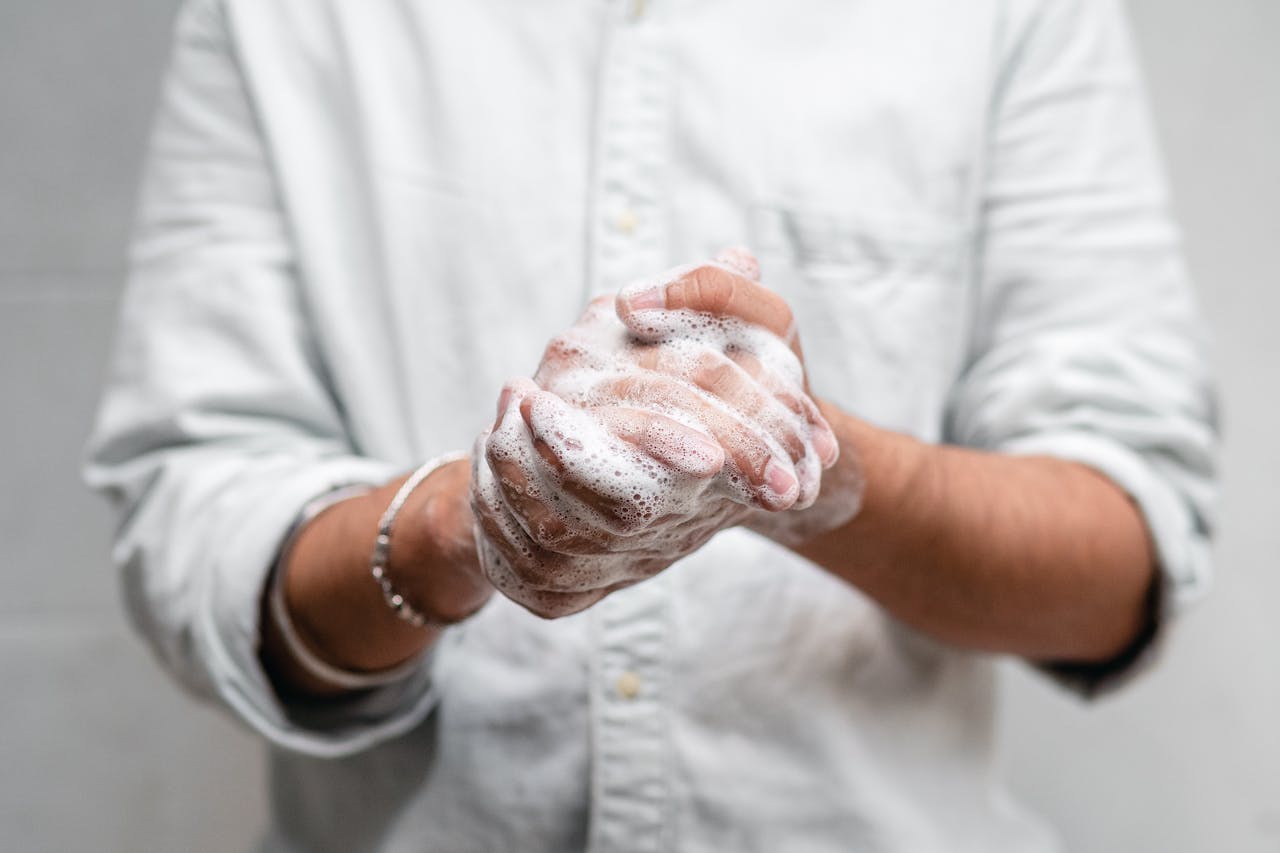
Could the food on your plate be as crucial as soap in your hand when it comes to staying healthy?
Story Overview
- The symbiotic relationship between nutrition and personal hygiene is a cornerstone of public health.
- Inadequate hygiene can lead to infections that impair nutrient absorption, especially in children.
- Integrated interventions combining WASH and nutrition show promising results in reducing stunting and infections.
- WHO estimates link 50% of childhood undernutrition to poor hygiene practices, urging comprehensive solutions.
Nutrition and Hygiene: An Indispensable Duo
The relationship between nutrition and personal hygiene is as intricate as it is vital. Poor water, sanitation, and hygiene (WASH) practices are frequently the culprits behind diarrheal and parasitic infections, which can severely impair nutrient absorption. This is particularly detrimental for children, who are already vulnerable to undernutrition. Historical research from the early 2000s highlighted diarrhea and environmental enteric dysfunction as pivotal factors linking poor WASH to stunting and wasting.
In developing countries, where socio-economic challenges further exacerbate these issues, the cycle is relentless: infections caused by poor hygiene reduce appetite and nutrient absorption, while resulting malnutrition weakens immunity, making children more susceptible to further infections. This vicious cycle underscores the need for integrated interventions that address both nutrition and hygiene to break this detrimental loop.
Stakeholders and Their Roles
International health organizations like WHO and the Global Handwashing Partnership are at the forefront, advocating for strategies that integrate WASH and nutrition to combat undernutrition. Researchers from esteemed institutions contribute by conducting randomized controlled trials and meta-analyses, providing the evidence base to drive these initiatives. Governments and NGOs in developing regions play crucial roles in implementing these interventions, aligning with sustainable development goals that target undernutrition through improved WASH practices.
These stakeholders operate in a collaborative ecosystem. International bodies set global standards and estimates, such as WHO’s assertion that 50% of childhood undernutrition is attributable to poor hygiene. Local policymakers adapt these guidelines to fit regional contexts, often informed by research findings, ensuring strategies are both effective and culturally appropriate.
Recent Developments: A Path Forward
Recent studies affirm the efficacy of combining WASH and nutritional interventions. A meta-analysis of randomized controlled trials up to 2025 showed that WASH interventions significantly reduced weight-related issues and pathogenic infections. Nutrition-focused interventions also improved height and reduced weight issues, highlighting the complementary nature of these approaches.
Among adolescents, practices like handwashing after toilet use and frequent teeth brushing have been linked to better BMI outcomes. A 2025 study even linked improved hygiene to healthier diets among students, with gender differences in eating but equal awareness of hygiene practices. These findings emphasize the need for educational curricula that integrate hygiene and dietary education to instill lasting habits from a young age.
Impact Analysis: Beyond the Immediate
In the short term, combining nutrition and hygiene interventions can drastically reduce diarrheal infections, which are nearly 50% preventable with proper handwashing. This reduction in infections leads to improved growth metrics such as weight-for-age. Long-term benefits include up to a 15% reduction in stunting among children under five, stronger immunity, and reduced adult morbidities like anemia.
The economic implications are significant, with healthcare savings from fewer infections. Societal benefits include improved school performance, as better nutrition supports cognitive development. While direct political impacts are less pronounced, alignment with global goals like the Sustainable Development Goals (SDGs) influences policy decisions, fostering a shift toward holistic public health programs that prioritize WASH and nutrition.